
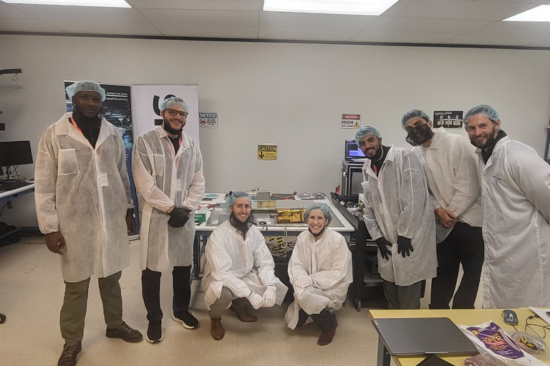
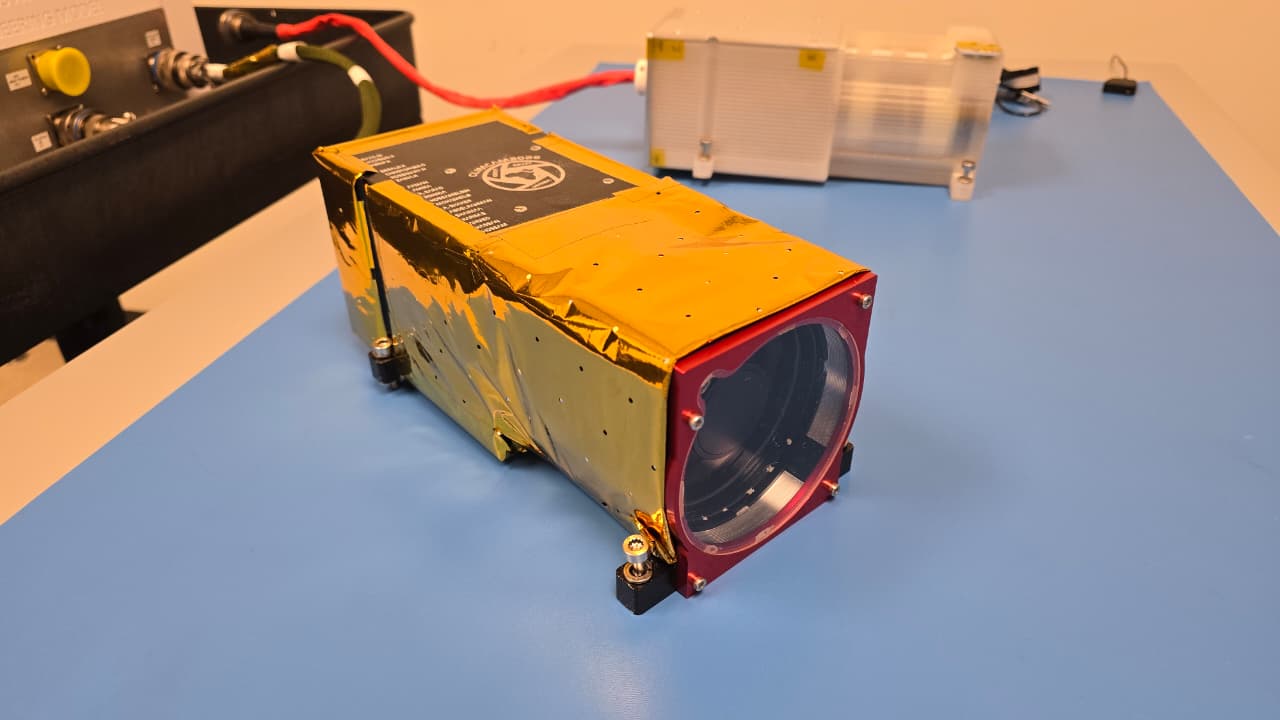
A new Earth observation instrument designed to monitor climate and environmental change in Eastern Africa has successfully been launched to the International Space Station (ISS). The Climate Camera (ClimCam), developed through a collaboration between the Kenya Space Agency, the Egyptian Space Agency, and the Uganda National Space Programme, represents a significant step in the use of space-based technologies to support climate resilience and disaster management in the region.
The payload was launched as part of the Cygnus NG-24 mission from Cape Canaveral Space Force Station in Florida. Once operational, ClimCam will be hosted on the Airbus Bartolomeo platform, attached to the European Columbus module of the ISS, where it will collect and transmit environmental data in near real time, expected to start later in 2026.
Collaboration for Climate Monitoring
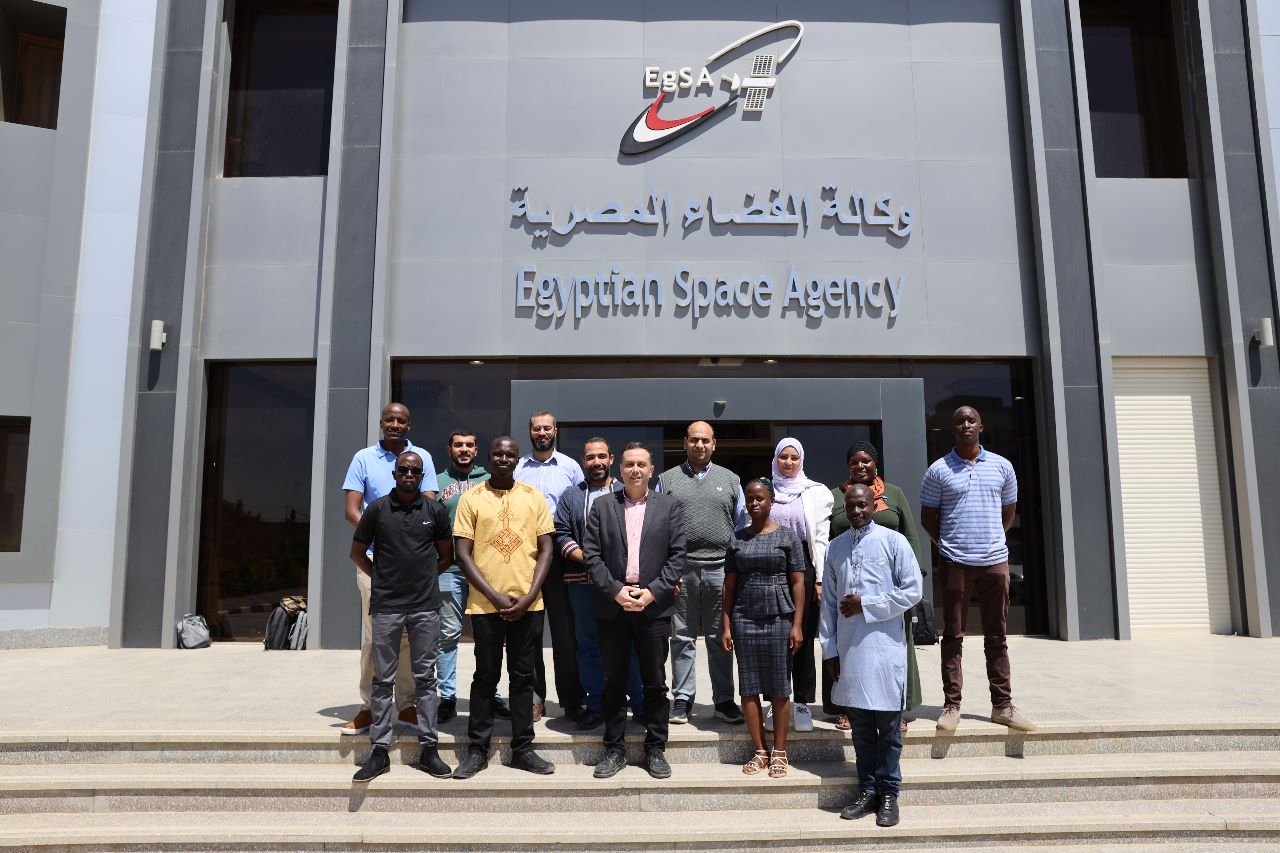
ClimCam is the result of joint efforts between three African countries, bringing together technical expertise and shared objectives in climate monitoring and space science. The instrument was developed under the “Access to Space for All” initiative by UNOOSA, in partnership with Airbus Defence and Space, following a successful proposal to utilise the Bartolomeo external platform.
Reflecting on the origins of the initiative, Jorge Del Rio Vera, Scientific Affairs Officer at UNOOSA, noted: “This journey began in 2018, with conversations that were, at first, just ideas: a belief that access to space could be more inclusive, more collaborative, and more impactful.”
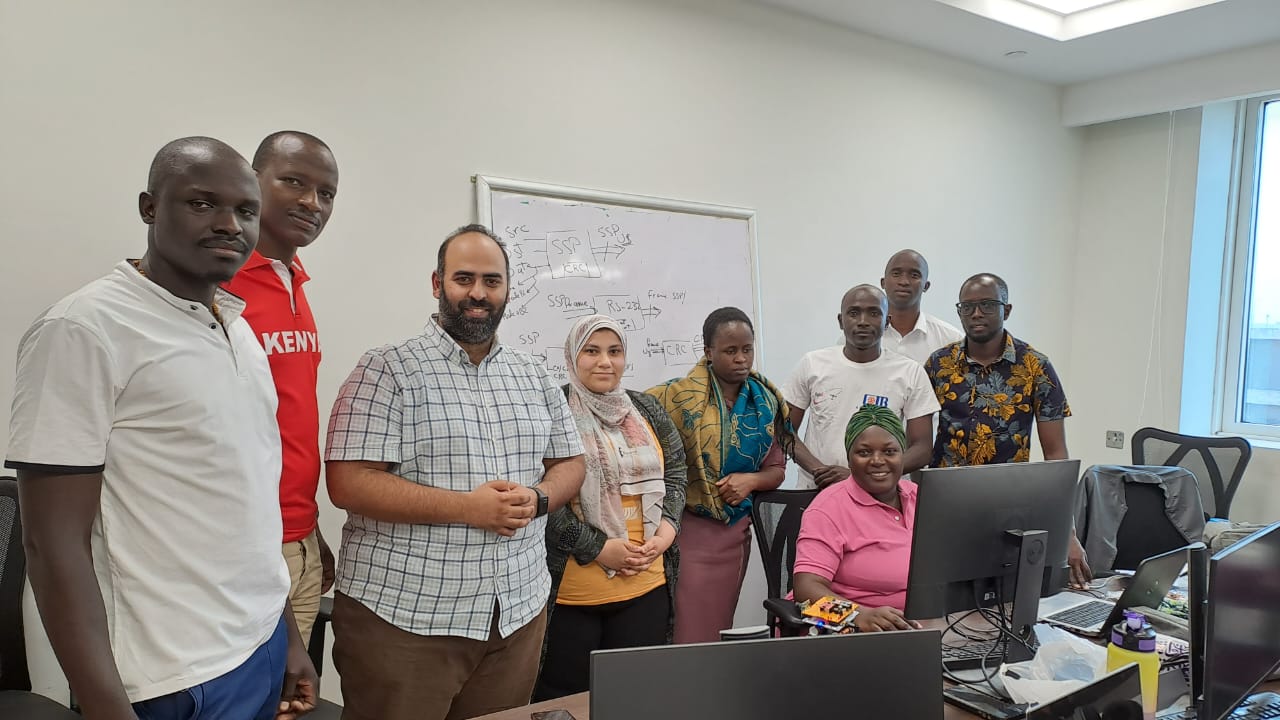
The selection of the ClimCam team marked the beginning of a coordinated development process across multiple countries and institutions. As he further explained: “In October 2021, we announced the selection of the ClimCam team, a joint effort between Egypt, Kenya, and Uganda. From that moment on, a new phase began. Engineers, scientists, and institutions across three countries started working toward a shared goal. Different systems, different cultures, different constraints, but one mission.”

Monitoring Climate Change from Space
ClimCam is an AI-enabled Earth observation system designed to capture high-resolution images and environmental data across Eastern Africa. Operating from the ISS, the instrument enables repeated observations over large and often remote areas, including ecosystems such as forests, savannas, lakes, and coastal zones.
The system is expected to provide near real-time data on weather patterns and environmental conditions, supporting the monitoring of floods, droughts, and other climate-related events. These observations are intended to assist researchers, policymakers, and local stakeholders in understanding environmental changes and strengthening responses to climate risks. According to project objectives, the data generated is expected to contribute to improved disaster management and broader climate resilience efforts across the region.
Supporting Disaster Risk Reduction and Climate Resilience
The ability to access timely and consistent environmental data is particularly important for regions exposed to climate variability and extreme weather events. ClimCam’s observations are designed to support early warning efforts and improve situational awareness for climate-related hazards.
Describing the expected impact of the mission, Jorge Del Rio Vera stated: “After a short commissioning phase of about three days, it will begin doing what it was built to do: delivering images that matter. Images that provide early warning for droughts and climate-related disasters. Images that help understand rainfall variability and agricultural productivity. Images that support food security in one of the regions most exposed to climate change.”
By enabling more frequent and detailed observations, the mission contributes to strengthening preparedness and supporting decision-making processes linked to disaster risk reduction and environmental management.
A Milestone for Regional Space Cooperation
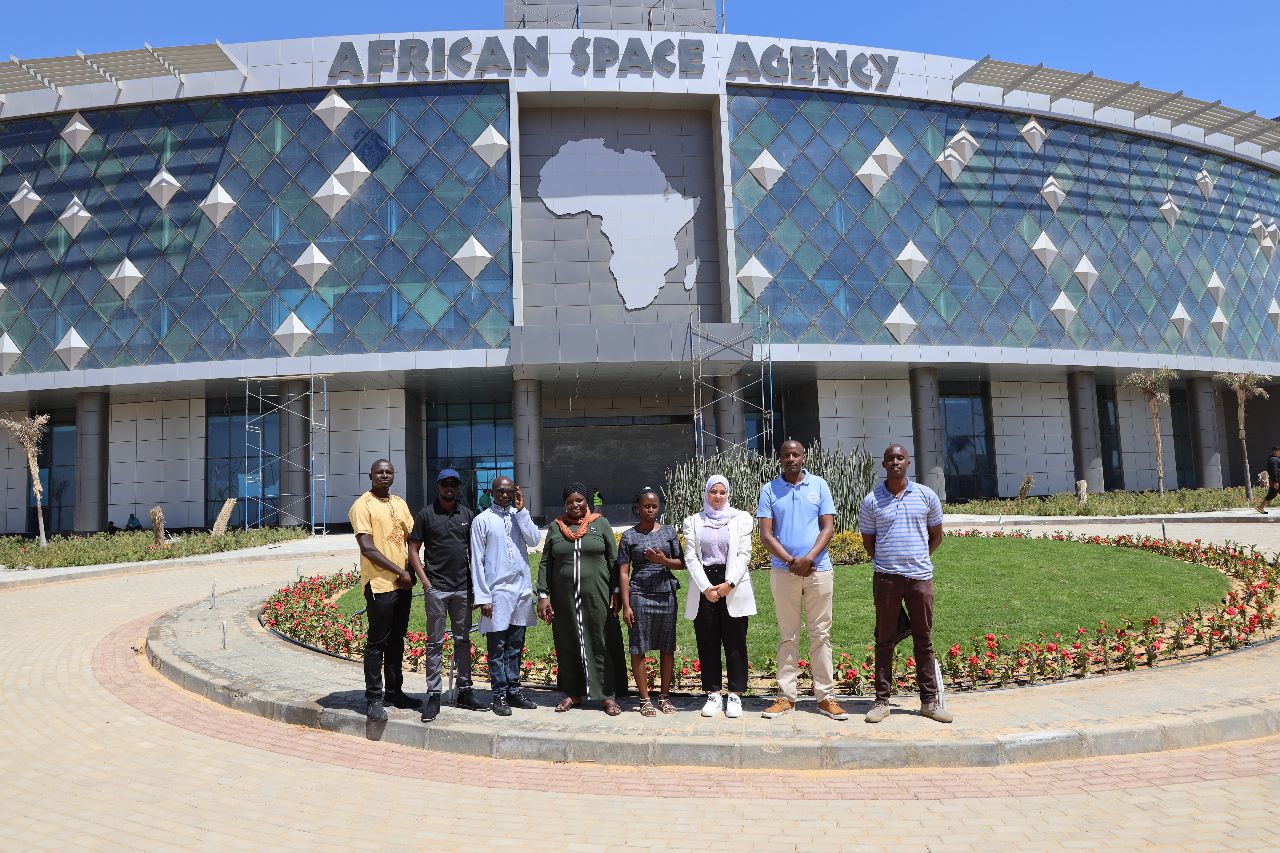
Beyond its technical objectives, the ClimCam mission represents an important example of international and regional cooperation in space activities. The collaboration between Egypt, Kenya, and Uganda reflects a coordinated effort to develop and operate space-based technology for shared regional priorities.
The project also highlights the role of capacity development initiatives in expanding access to space. Through the UNOOSA “Access to Space for All” programme, participating countries were able to design, build, and prepare a payload for operation aboard the ISS, supported by international partnerships and technical collaboration.
Emphasising this broader perspective, Jorge Del Rio Vera noted: “Access to Space for All demonstrates that emerging space nations do not need to walk alone, or wait their turn, to contribute meaningfully to space technology. Space capacity building is not fast. Space is hard. It requires patience, resilience, and long-term commitment. In Access to Space for All, this is even more true.”
Expanding the Role of Space-Based Solutions
ClimCam is expected to operate in orbit for an extended period, during which it will contribute to ongoing data collection and technology demonstration. The mission reflects a growing emphasis on using space-based systems to address environmental challenges and support sustainable development.
By combining Earth observation, machine learning algorithms, and regional as well as international cooperation, the initiative demonstrates how space technology can be applied to address climate-related risks while also strengthening technical capacity and collaboration among participating countries.
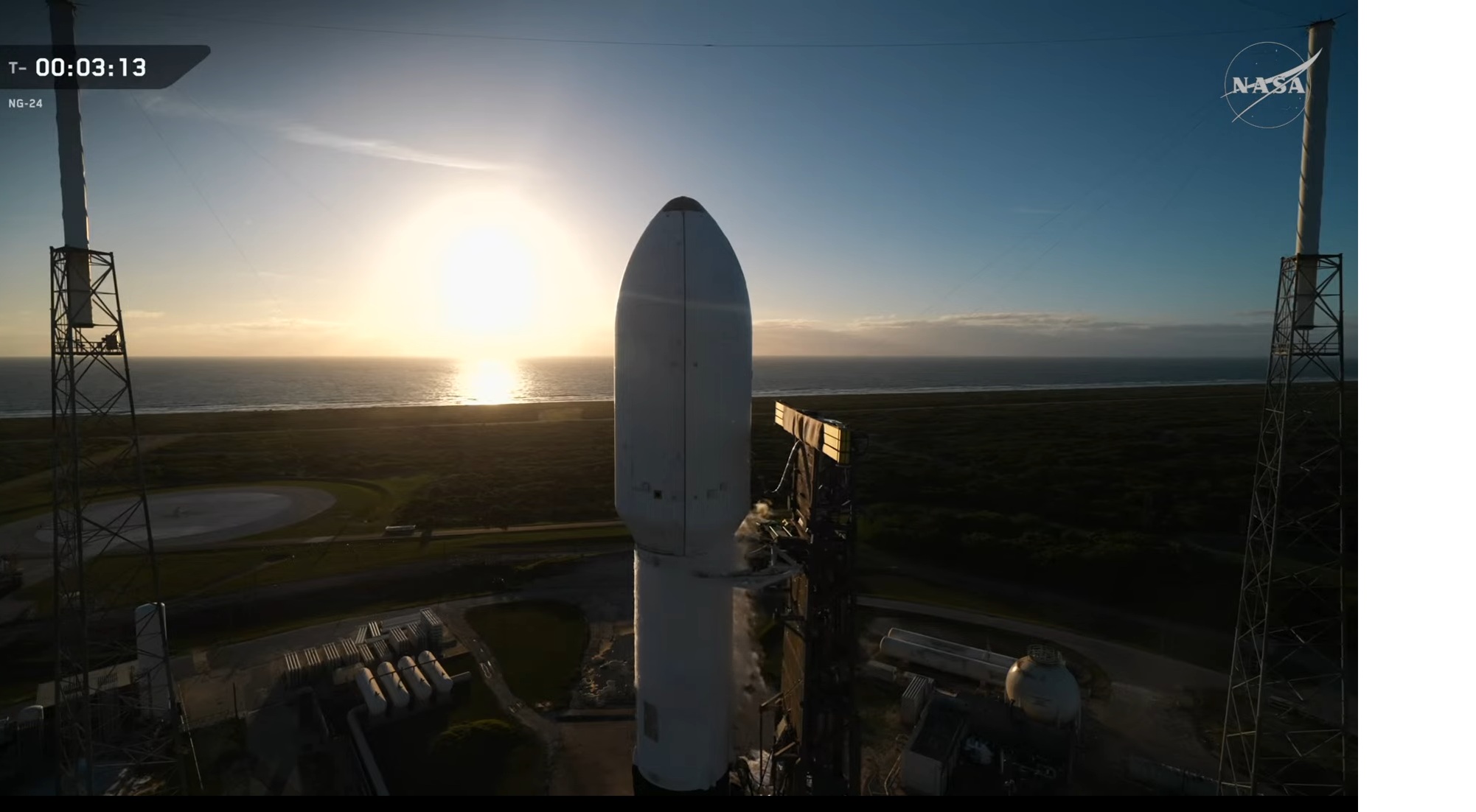
Image Credits: UNOOSA
Read the original articles here:
· https://www.unoosa.org/oosa/en/ourwork/access2space4all/awardees/team_climcam.html###
· https://www.dawan.africa/news/kenya-uganda-and-egypt-to-launch-a-climate-camera-climcam
· https://www.africa-press.net/kenya/all-news/kenya-egypt-uganda-launch-climcam-to-space-for-climate
· https://spaceinafrica.com/2026/04/11/egypt-kenya-uganda-launch-climcam-payload-to-iss/
