
26 April 2026, Manila – Quezon City
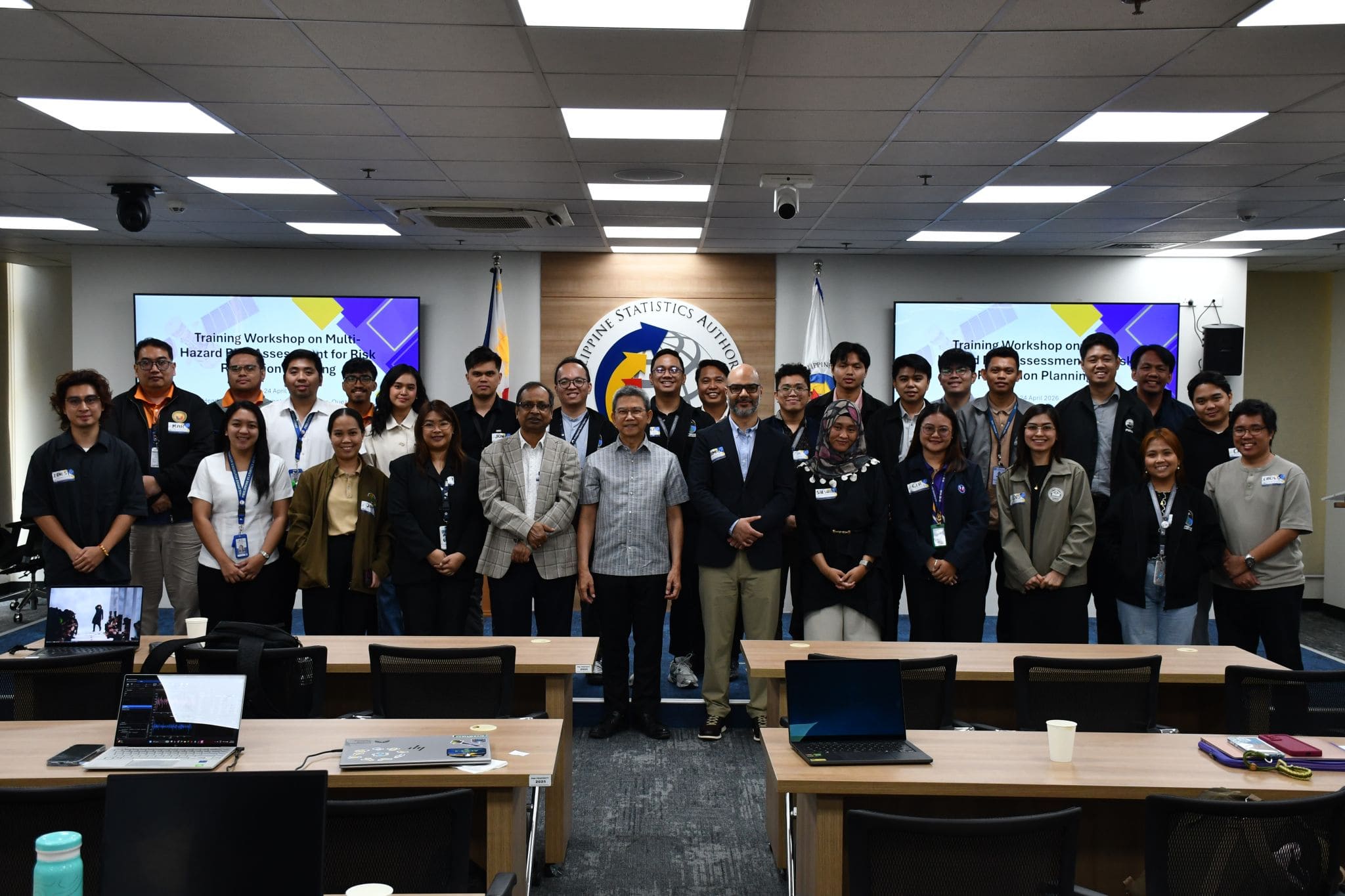
The United Nations Office for Outer Space Affairs (UNOOSA), through its UN-SPIDER Beijing Office, in collaboration with partners, successfully delivered a Training Workshop on Multi-Hazard Risk Assessment for Risk Reduction from 22 to 24 April 2026. Hosted by the Philippine Statistics Authority (PSA) in Quezon City, the workshop was a collaborative effort with the Philippine Space Agency (PhilSA), the Asian Institute of Technology (AIT), and the Faculty of Geo-Information Science and Earth Observation (ITC) of the University of Twente. 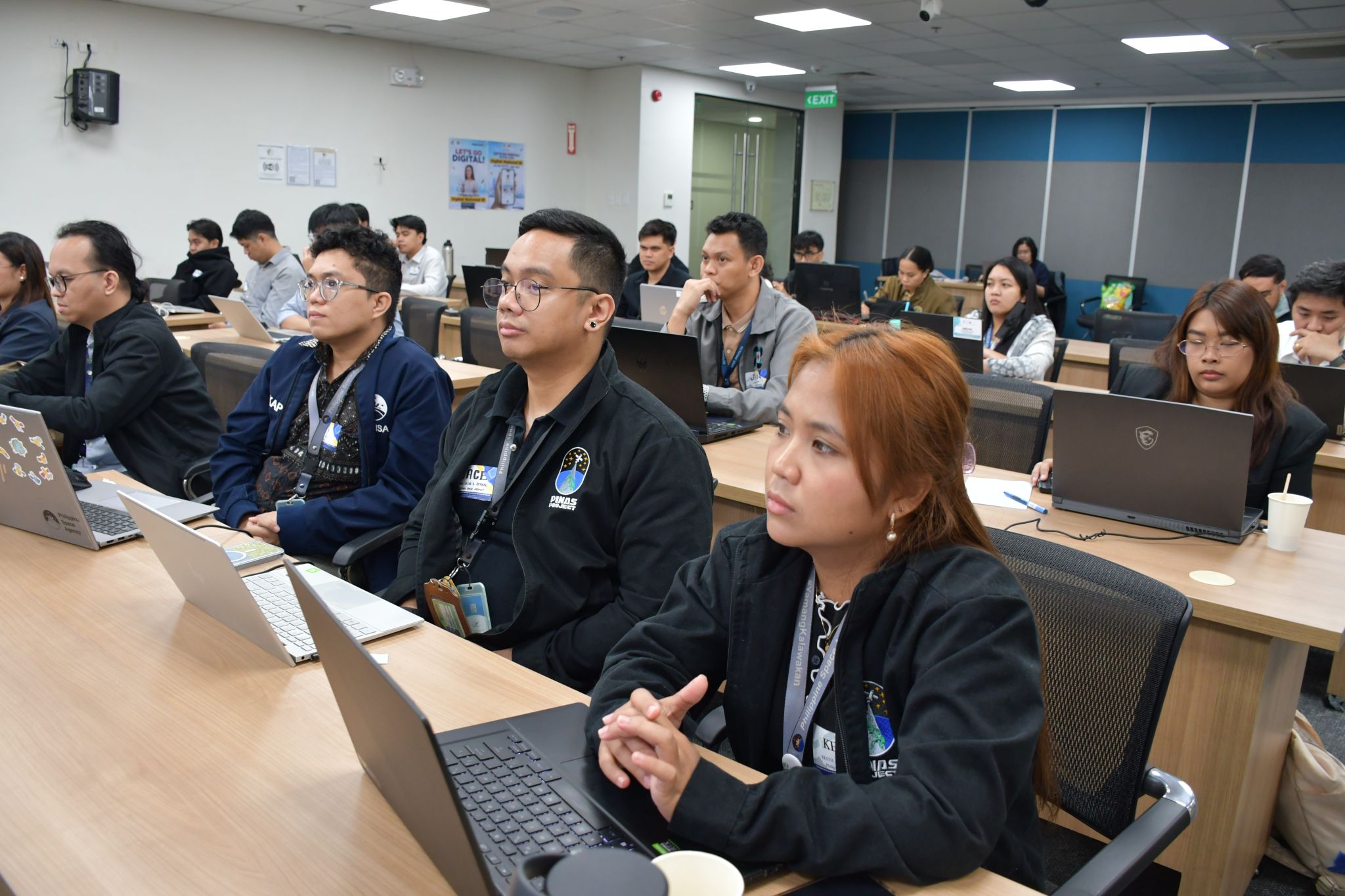
The three-day event brought together approximately 45 participants from a broad range of national agencies, demonstrating a 'whole of government' approach to disaster risk reduction (DRR). Attendees included representatives from PhilSA, the Department of Science and Technology (DOST), PSA, the Office of Civil Defence, the Department of the Interior and Local Government, the Department of Transportation, the Department of Public Works and Highways, and various research institutions.
Hands-On Training on the Risk Changes Tool
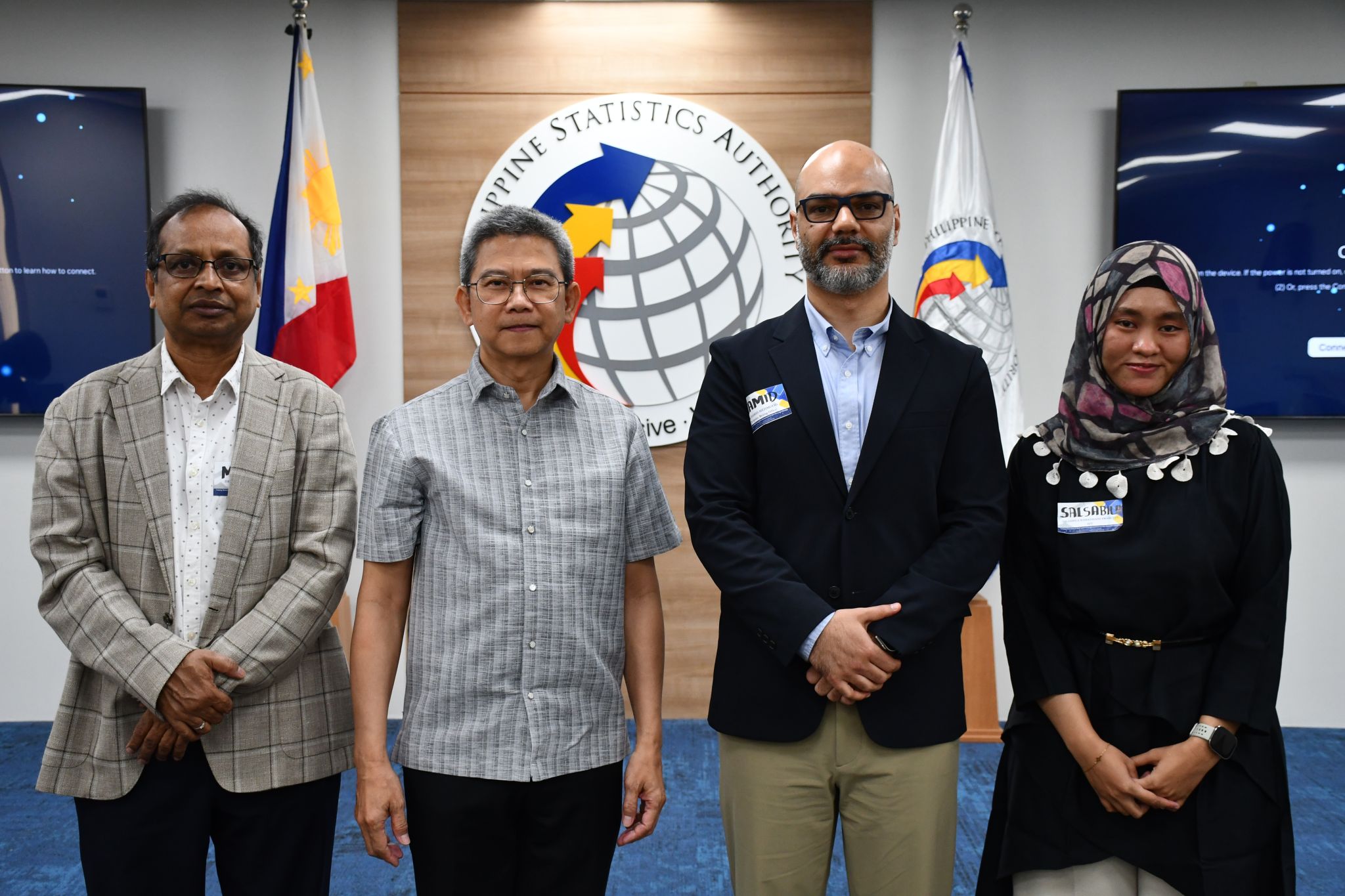
The programme was designed to strengthen national capacity in space-based risk analytics, combining expert lectures with practical, hands-on sessions. Participants were guided through foundational and advanced risk assessment methodologies by leading experts:
- Prof. Cees van Westen (ITC, University of Twente)
Dr. Manzul Hazarika (AIT, Thailand)
Ms. Salsabila Ramadhani Prasetya (AIT, Thailand)
A key focus was the application of the Risk Changes software tool. During the practical sessions, participants engaged in exercises on data input, loss and risk analysis, cost-benefit analysis, and the production of risk maps. The curriculum covered multi-hazard risk concepts, elements-at-risk mapping, vulnerability assessment, and scenario-based planning, all contextualised for the Philippines using space-based Earth observations.
High-Level Engagement and Future Cooperation
On the margins of the workshop, UN-SPIDER held strategic discussions with national stakeholders, who expressed strong appreciation for the support provided and interest in further advanced training.
Key outcomes include plans to adapt existing tools to local contexts, subject to funding, and to strengthen coordination for upcoming initiatives.
Looking Ahead
The workshop was received very positively, with high participant engagement and strong demand for continued technical guidance. The mission confirmed the critical need for sustained capacity building in multi-hazard risk assessment in the Philippines.
UN-SPIDER will follow up with national counterparts on the organisation of a second, tailored training and explore funding opportunities to support the adaption of tools to local contexts. Coordination on upcoming initiatives, such as the Digital Twin project will also be strengthened through the designated focal points at PhilSA.
This mission was funded by UN-SPIDER / UNOOSA and underscores the commitment to advancing space-based solutions for disaster risk reduction and resilient development worldwide.
